The Evolution of Slave Labor in the U.S.
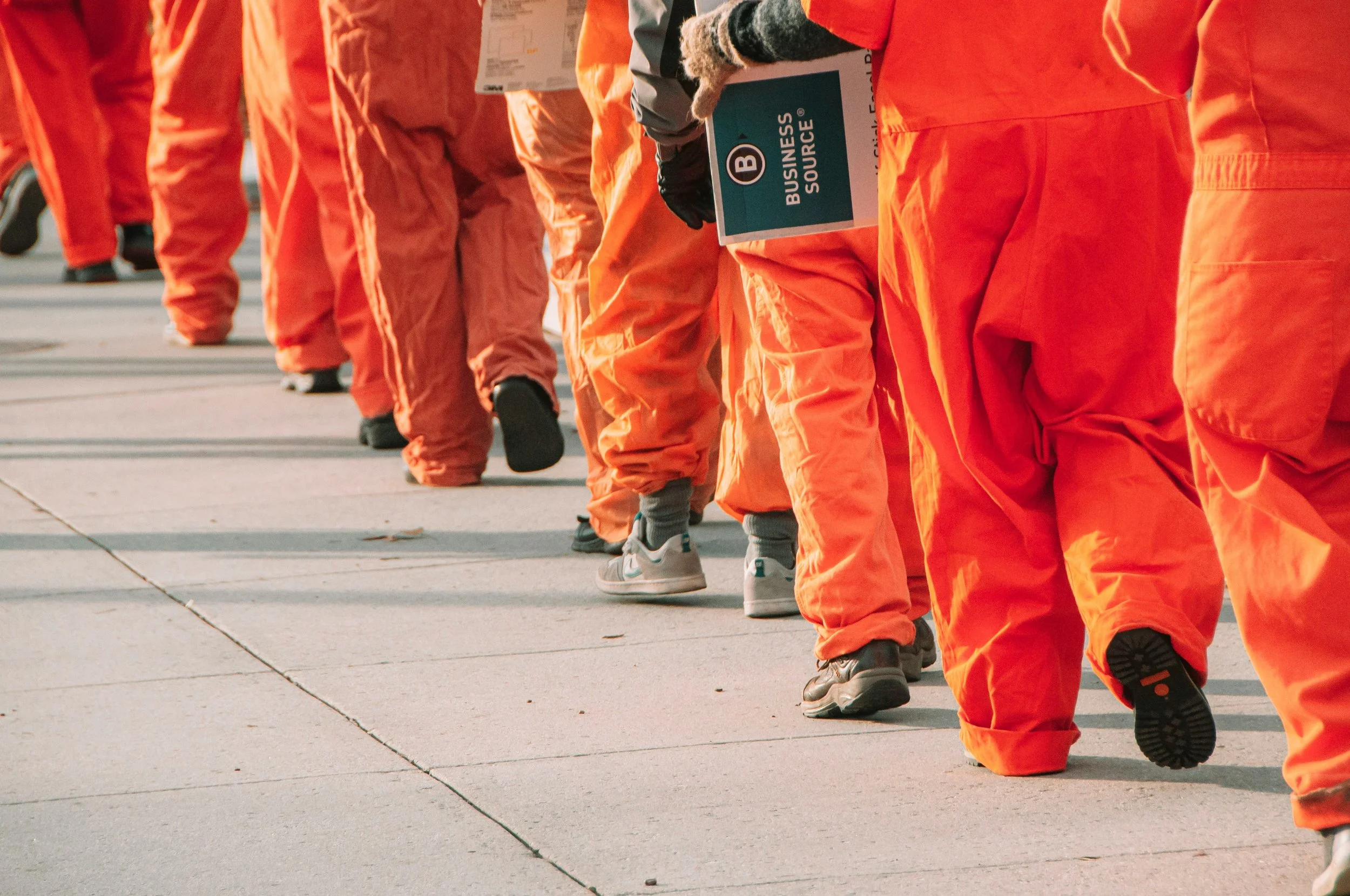
Image by Maria Oswalt // Last updated: 9th April 2026
CONTEXT

A History of State-Imposed Prison Labor in the U.S.
A Timeline of pivotal policies & milestones that formalized contemporary slavery.
An analysis of the largest For-Profit Private Prison Operator in the U.S.
A deep-dive into the economic exploitation of incarcerated laborers and the racial realities.
An investigation into the evolution of policing in the U.S.---from slave patrols to contemporary policing.
EVOLUTION
The 13th Amendment bans Slavery and Involuntary Servitude in the U.S. "except as a punishment for crime whereof the party shall have been duly convicted." Since it’s passing, legal systems have conspired to redefine ‘crime’ in a way that disproportionately targets Black and Brown communities. Likewise, spatial systems have been used to dictate the access to and use of public space while also acting as a critical tool of surveillance and control. In tandem, these systems work to maintain the racialized social and economic order upon which the U.S. is built.

Slave Codes
During the era of Chattel Slavery, Slave Codes created a legal framework through which the personhood of enslaved individuals was diminished, defining them as property. As legal property, enslaved individuals were denied the basic rights promised to those living in the U.S. This dehumanization restricted education access, separated black families, and criminalized community gatherings for enslaved people. The economic wealth generated through this abuse of human bodies is a foundational source of capital in the U.S., often obtained through patterns of generational wealth that perpetuate inequity.

Black Codes
Following the abolition of slavery in 1865, the Southern economy was destabilized as it no longer had access to the free labor through which it had been constructed. In response, lawmakers enacted Black Codes that criminalized the everyday life of freed black individuals in the U.S. Bolstered by the loophole the 13th amendment provided, authorities in these communities arrested Black individuals for violating these codes, and forced them into a system of convict leasing akin to slavery. At the same time, white supremacist groups, such as the Ku Klux Klan (KKK), used violence and intimidation to further enforce a racial hierarchy.

Jim Crow Laws
Based on the “Separate but Equal” doctrine established through Plessy v. Ferguson (1896), Jim Crow Laws were a state-sanctioned method of segregation used to disenfranchise the black community in the U.S. While framed as ‘equal’ in writing, this system was anything but. Racial and social inequity was exacerbated through poll taxes, literacy tests, and legal separations in public space. These exclusionary measures worked to maintain the rigid and racial caste system that persisted in the U.S., restricting the economic mobility of Black individuals to low-wage jobs to ensure continued access to cheap labor.

Contemporary ‘Vagrancy' Laws
While vague vagrancy laws were ruled unconstitutional in Papachristou v. City of Jacksonville (1972), Urban Camping Bans, Loitering Ordinances, Vehicle Habitation Bans, Begging Bans, Encroachment Laws, and Criminal Trespassing charges on public land disproportionately harm the most vulnerable. In City of Grants Pass v. Johnson (2024), the supreme court held that enforcing camping bans did not violate the 8th amendment protection from “Cruel and Unusual Punishment”, giving cities greater authority to regulate public homelessness regardless of shelter space.
CONSEQUENCES
While legal protections exist for most U.S. workers, those incarcerated through the U.S. Prison Industrial Complex are not granted the same protections because of the 13th Amendment. This caveat has not only created a lucrative loophole for employers looking to increase profit margins, but has also perpetuated racial inequity in the U.S. as black individuals are 7x more likely to be falsely convicted of serious crimes, 7.5x more likely to be falsely convicted of murder, and 19x more likely to be wrongly convicted of a drug crime.
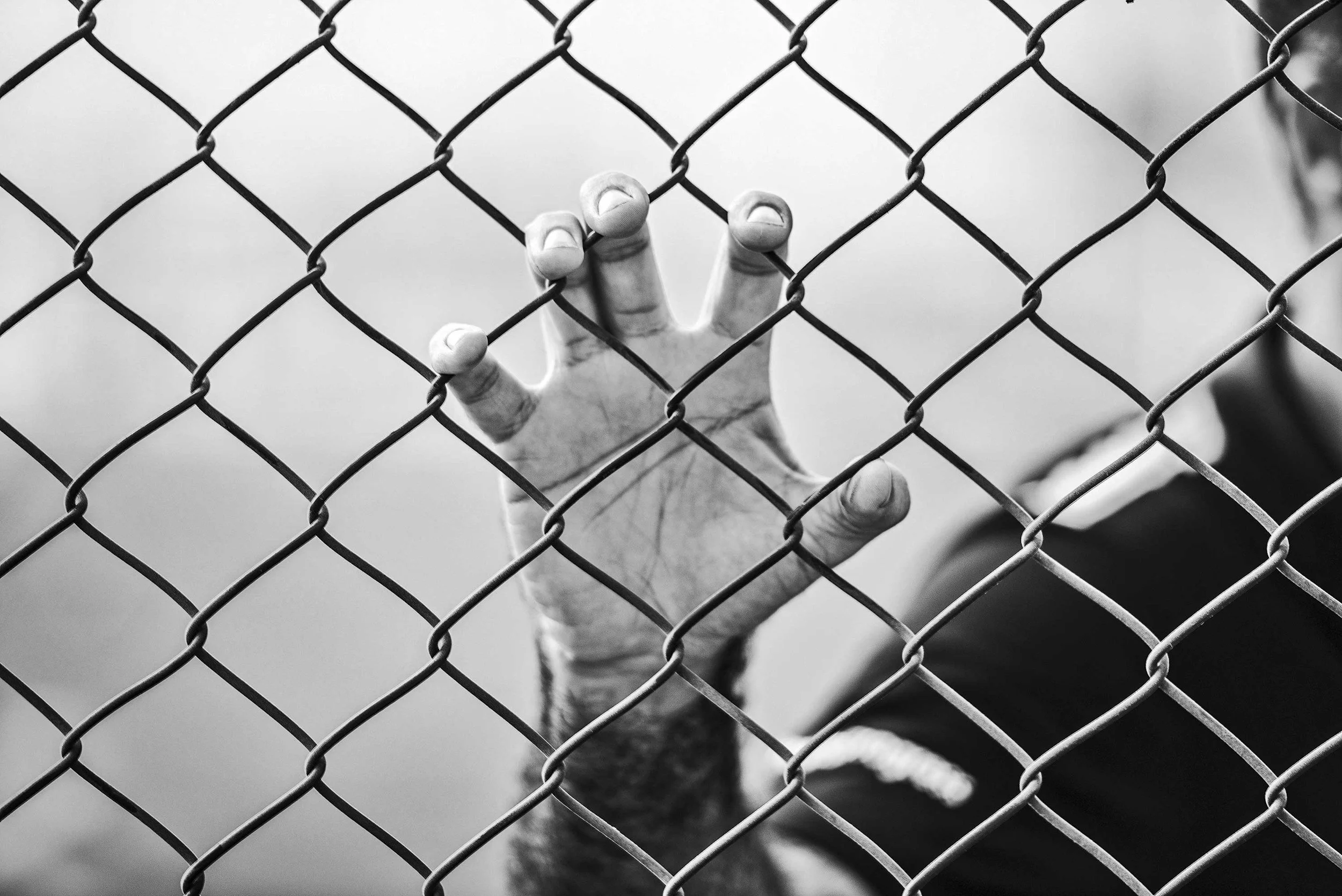
No Right to
Fair Pay
The Fair Labor Act (1938) grants those working in the U.S. a right to fair compensation for their time and labor.
*Not applicable to prisoners due to the 13th amendment.
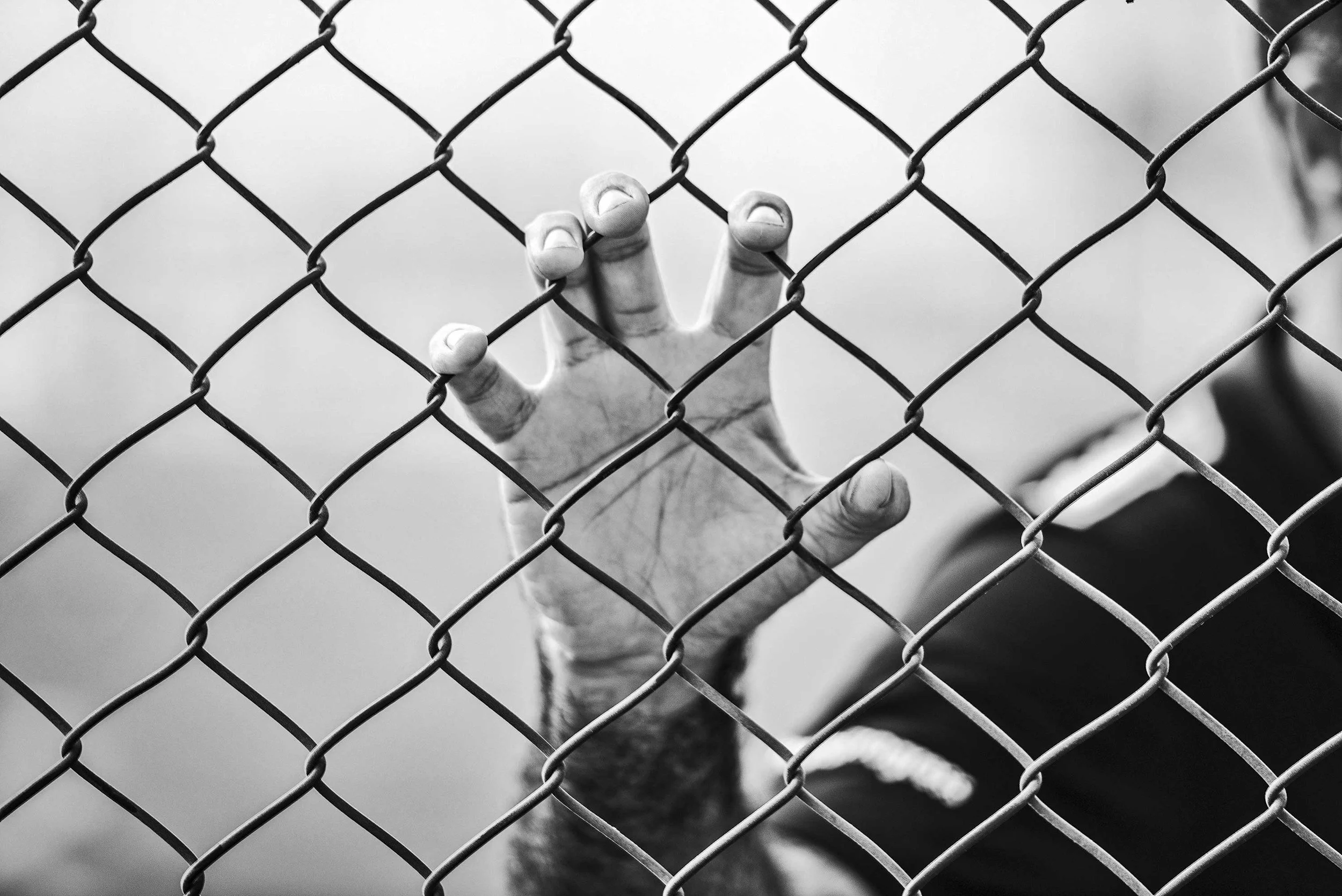
No Right to Unionize
The National Labor Relations Act: Section 7 (1935) guarantees U.S. workers the right to self-organize and collectively bargain.
*Not applicable to prisoners due to the 13th amendment.
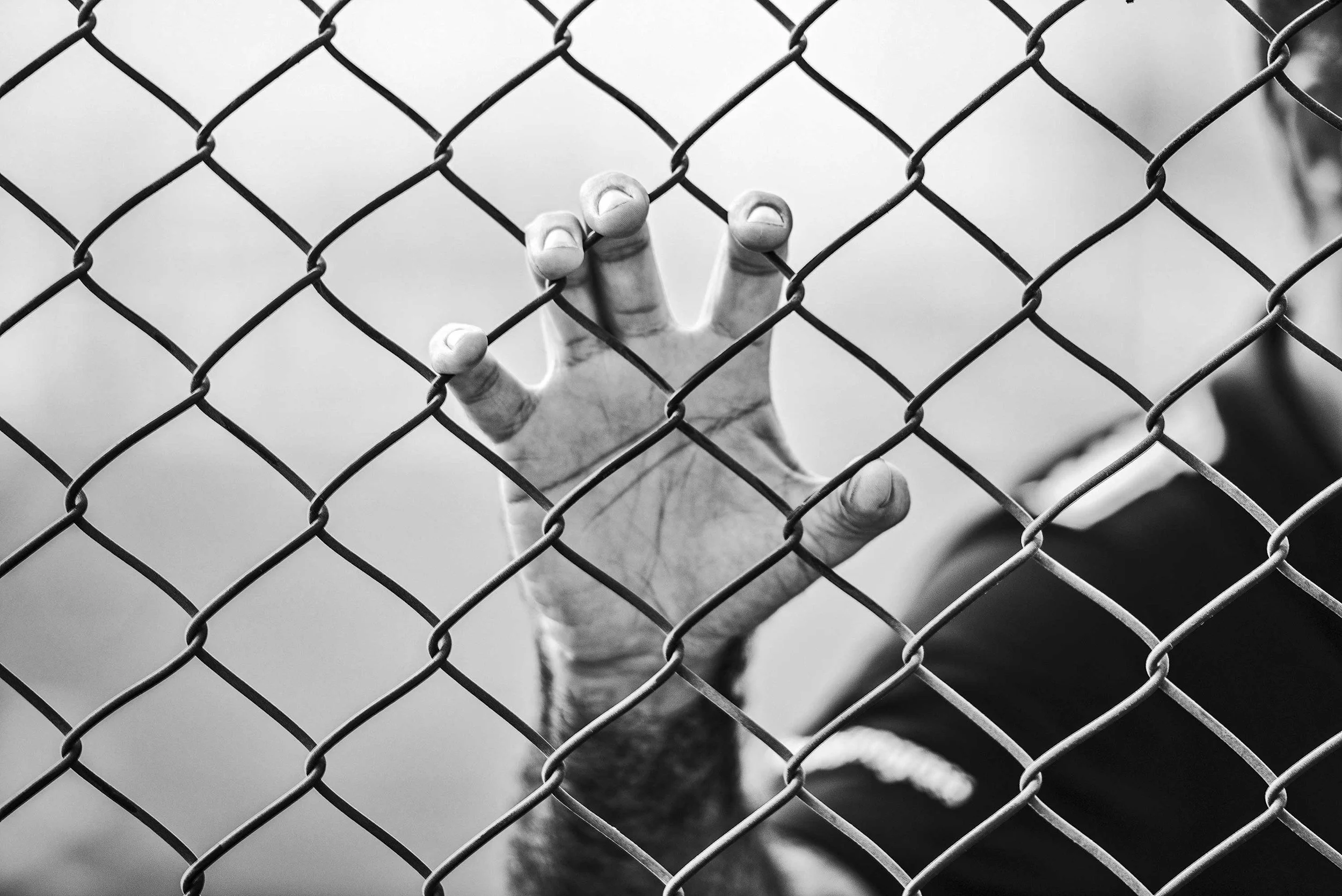
No Right to Refuse
The Occupational Safety & Health Act : Section 5(a)(1) (1970) protects the right to refuse work that conflicts with safety and health standards.
*Not applicable to prisoners due to the 13th amendment.
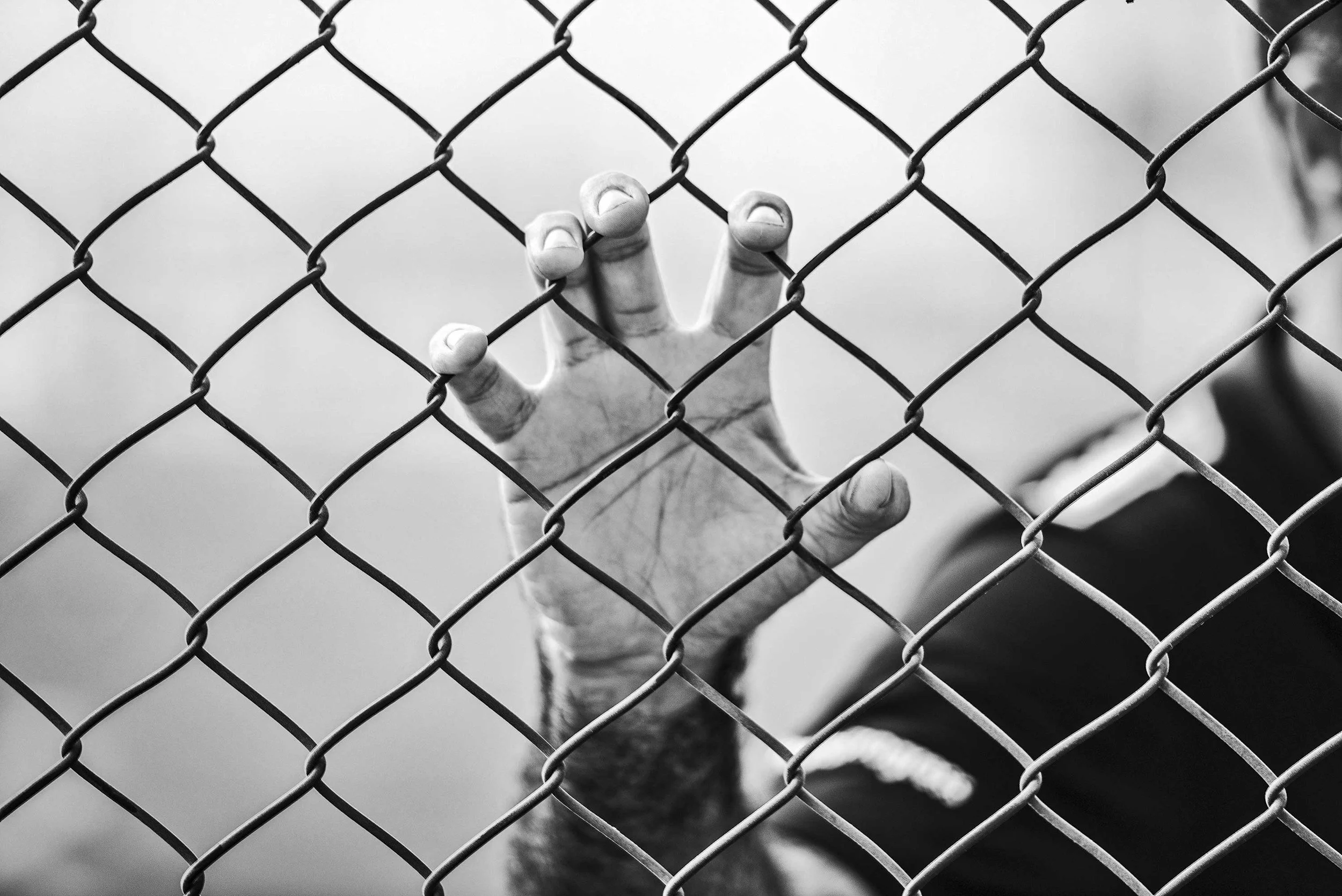
No Right to Strike
The National Labor Relations Act: Section 13 (1935) emphasizes the right to strike, ensuring that other sections do not negate this right.
*Not applicable to prisoners due to the 13th amendment.
DATA
The Prison Policy Initiative takes a detailed look at where and why people are locked up in the U.S.
The Prison Policy Initiative reveals the public cost of U.S. incarceration.
The ACLU's research on incarcerated labor proposes a path forward.
Mapping Police Violence maps, documents, and visualizes both fatal and nonfatal violence, noting if officers were charged and exposing violent patterns.
EDUCATION
Beyond Walls: 5 films for PIC Abolition
A curated list of films that define and amplify what prison industrial complex (PIC) abolition means.
A curated list of writings for a wide-range of age groups that explain and interrogate modern day policing.

A curated list of writings for a wide-range of age groups that explain and interrogate contemporary incarceration.
A curated and up-to-date list of documentaries, and articles about them, that are shaping conversations on criminal justice.